A new EV tax could drive away nearly half of electric car buyers, warns AutoTrader

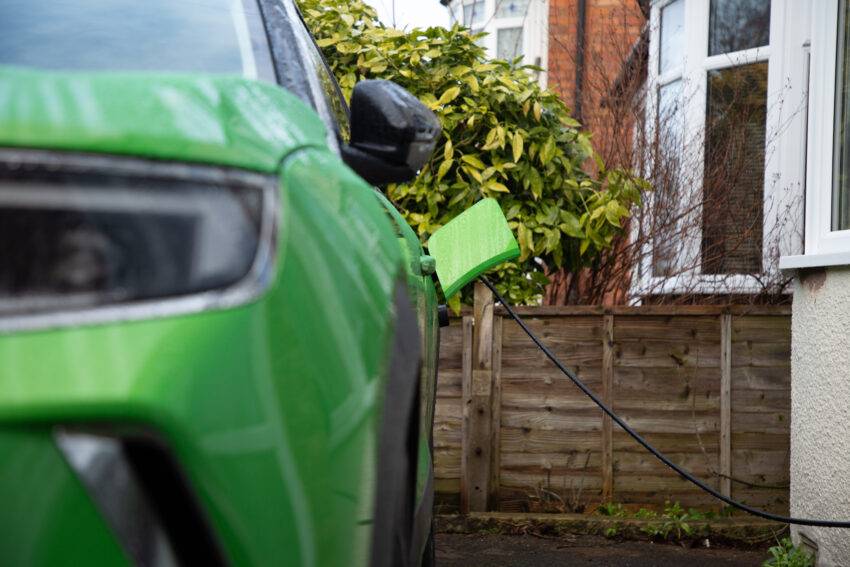
A new per-mile tax on electric vehicles could prevent nearly half of would-be buyers from switching to an EV, according to a new study from AutoTrader, raising concerns that the government’s policy on electric vehicle adoption is becoming increasingly controversial.
From 2028, electric car drivers will face a new charge of 3p per mile driven, a move announced by Chancellor Rachel Reeves. The CEO of AutoTrader, Mr. Nathan Coe, said that this decision risks undermining years of efforts to motivate drivers to get rid of petrol and diesel.
Coe described the policy as “incoherent and incompatible” with the government’s stated desire to speed up the transition to electric vehicles, warning that momentum may slow at this critical time.
AutoTrader’s latest report, No Driver Left Behind, found that while 62 percent of drivers are currently considering an electric car as their next vehicle, that number drops significantly when cost and money are factored in. Among households earning less than £40,000 a year, only 48 per cent are considering an EV, compared to 73 per cent of those on higher incomes.
Electric vehicles remain, on average, about 17 percent more expensive than their gasoline equivalents, despite falling battery costs. Research shows that purchase price, rather than charging access alone, remains the biggest barrier to use.
Age and location also play an important role. While 72 percent of drivers aged 17 to 34 say they are open to going electric, only 35 percent of those over 55 feel the same way. City dwellers appear to be more responsive than those in rural areas, with 72 percent of urban drivers considering an EV compared to much lower rates in more remote areas.
That finding challenges the assumption that off-street parking – which is more common in rural areas – automatically facilitates commuting. AutoTrader said concerns about range, charging reliability and operating costs continue to influence decisions regardless of home charging.
Gender differences were also evident, with women approximately ten percent less likely to consider EV than men. Concerns about charging availability and battery range, especially for family use, were identified as important factors.
The report also found that ethnic minority drivers are more likely to consider electric vehicles, although AutoTrader noted that this may in part reflect a higher proportion of these drivers living in cities, where charging infrastructure is more developed.
Ian Plummer, AutoTrader’s chief customer officer, said cost remains an issue. “We are at an important time for the electric car transition in the UK, but there is still a continuing wealth divide,” he said. “If low-income families don’t have access to affordable electric cars, we risk creating a two-tiered system where clean, cheap cars belong to those who can already afford them.”
Plummer added that the solution lies in increasing the supply of low-cost electric models, improving transparency about battery life and addressing the challenges of charging drivers off-road.
The findings come despite strong headline growth in EV sales. According to the Society of Motor Manufacturers and Traders, almost one in three new cars sold in Britain last month was fully electric. However, 2025 was the first year that overall EV sales failed to meet the government’s annual targets, as all-electric vehicles accounted for 23.4% of new registrations.
Manufacturers that fall short of mandated EV sales limits face financial penalties or have to buy credits from competitors who exceed them, adding more pressure to a market already facing policy uncertainty.