COLUMN: When Barcelona lost their voice – and are they about to regain it?

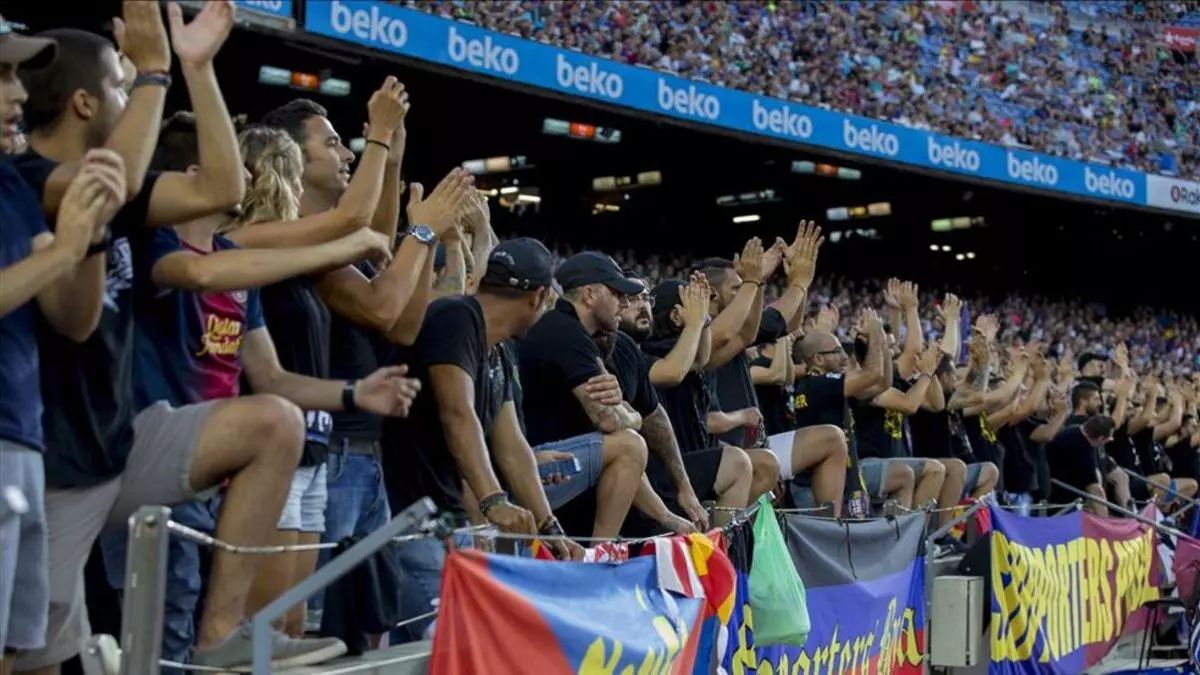
After two years of discontent between the Barcelona board and various supporter groups, it looks like the disputes may be coming to an end. In a critical situation, as only one point separates the Catalans from Real Madrid, President Joan Laporta cannot make the same mistake twice.
Penya Almogavers, Front 532, Nostra Ensenya, and Supporters Barca: together, they form Grada d’Animacio, often called Barca’s ultras, officially the singing section. Most of them support the pro-Catalan agenda and are known as the most ardent supporters in the world. It came at a price: a hefty fine of 21k euros. Charges were collected from different matches, according to disciplinary reports, for offensive signs including Nazi references and chants of ‘Flick Heil’.
Laporta chose the sword: the club will not pay the fine. Even the fans would not, saying that these were isolated incidents. What was the result? The definitive closure of Grada d’Animacio, which deprives the players whose fans love them the most when it matters most. Raphinha intervened, saying he would pay the fine on behalf of the fans. However, Laporta refused, insisting that there must be consequences for discrediting the team.
It wasn’t about the money. Barcelona can pay a fine. They choose not to, because the argument reveals deep divisions. Fans have accused Laporta of prioritizing international fans (visitors) instead of local fans, who are notoriously popular. Anti-Laporta chants followed, especially after the board came out with its Grada d’Animacio: Grada Jove, with the aim of creating a pro-Laporta equivalent, or at least, that’s how it was perceived.
Soon after, fans of the aforementioned teams withdrew, boycotting the games. The players suffered a lot from it. Fans often complain about Montjuic being quiet and annoying, which increases the support for the restoration of Grada d’Animacio. Party officials, such as vice president Elena Fort, argued that a new model needed to be drawn up, with more control over who supported it. In public, Laporta refused to agree to the agreement, maintaining his veto against the demands of the Grada d’Animacio.
However, in the last few weeks, both sides have finally made progress. Laporta began to realize that not all followers of Grada d’Animacio approved of the actions of individuals. He has always treated them as true members of the club, pushing back against the outfit’s ‘ultras’ label. At the beginning of this week, the club announced that the new Grada d’Animacio is now in the works, this time it includes four important groups, a move confirmed by Penya Almogavers through their official channels of communication.
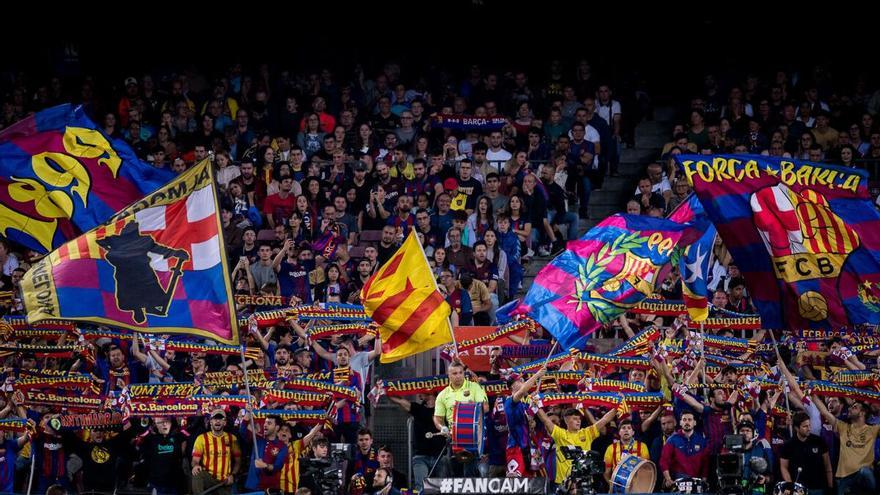
This is the first time since November that a working solution has appeared on the site. The Penya Almogavers, in particular, have long been outspoken in defense of Catalan culture. They better represent local ownership in the stands, elevating Senyera above any other team.
Laporta cannot make a mistake with them – or with other teams who have repeatedly shown their importance as the ’12th man’ of the team, the football at Camp Nou has never felt without him. His first term was successful because he sought broad support from all supporters groups, something his current term often lacks. By dividing the Grada d’Animacio, he divided the board from the followers.
🚨 FC Barcelona’s new Grada d’Animació at Spotify Camp Nou will have to wait a little longer. Barça is still waiting for important permits to expand capacity and open Gol Nord, which is expected in mid-February. The fan section is Gol 1957, which is planned for the southern end and is designed… pic.twitter.com/JehDJaP2l5
– barcacentre (@barcacentre) January 18, 2026
The current situation is not fragile for economic reasons alone. In his attempt to improve the club’s finances, Laporta raised ticket prices. Besides, he has raised himself above the followers, which is a dangerous place for every part of his authority. The election is almost here, and the fans are more divided than ever. Between a slow comeback at the Camp Nou and ongoing tensions with key support groups, Laporta must regain consistency at all levels.
So far, he appears to be putting his loyalists first, encouraging a more controlled, almost authoritarian style of support. Laporta seems determined to set his tone, forgetting that the team’s motto, mes que un clubremains etched in the memories of the most passionate fans as they enter the homes. The closure of Grada d’Animacio was not about economics. Those problems can be solved, even if it takes time. It revealed a deep divide between a president who is testing the limits of his authority, and a base of supporters who are pushing back. On the eve of the election, Laporta cannot afford a moral defeat, or a crisis of identity.